


strainer filter
Hydrocyclone Sand Filter used for Cooling Tank System
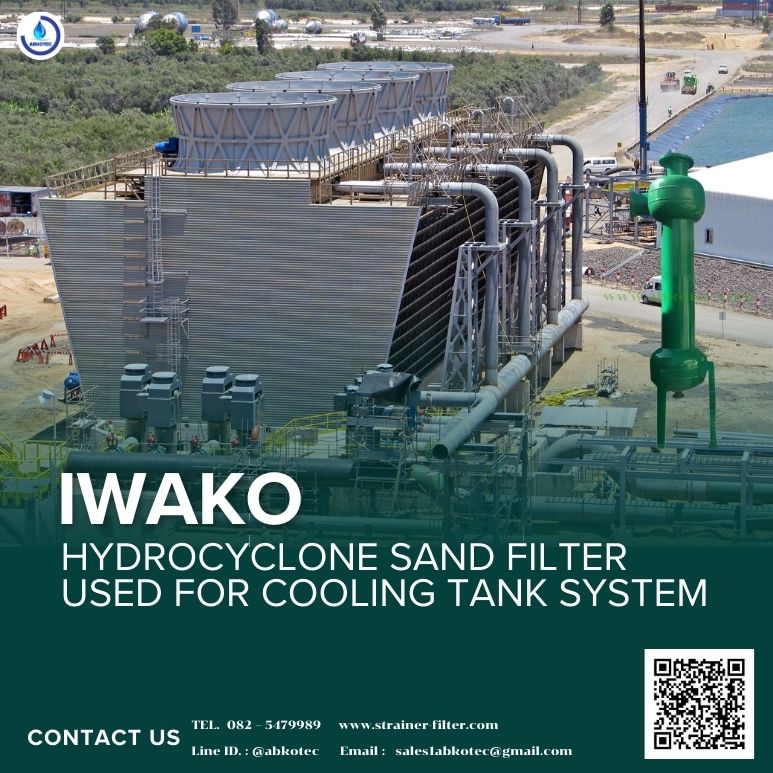
Hydrocyclone Sand Filter used for Cooling Tank System
Hydrocyclone Sand Filter used for Cooling Tank System : In industrial applications where cooling tanks are essential components of the operational infrastructure, maintaining the integrity and efficiency of these systems is paramount. One of the key challenges is managing the quality of the coolant, especially in systems where particulate matter like sand can lead to significant issues. Hydrocyclone sand separator have emerged as a critical solution to this problem, offering a way to keep cooling tanks running efficiently and effectively. This article delves into the use of Hydrocyclone sand separator for cooling tanks, exploring their importance, functionality, and the benefits they bring to industrial operations.
Understanding Hydrocyclone sand separator
Hydrocyclone sand separator utilize a simple yet highly effective centrifugal force method to separate sand and other heavy particles from fluids. They are particularly adept at processing large volumes of water with high levels of efficiency, making them ideal for applications involving cooling tanks in industrial settings.
How Hydrocyclone sand separator Work ?
The process begins when the water-sand mixture is fed into the hydrocyclone filter at high speed. This action creates a vortex within the cylindrical part of the hydrocyclone, causing the fluid to spiral downwards. Due to the centrifugal forces generated by this motion, heavier particles like sand are pushed outward to the cyclone’s walls and then downward to the underflow chamber. Meanwhile, the cleaner water moves upwards and exits through the overflow outlet. This continuous process ensures that the coolant in the tank remains free from sand and other solid particulates, thereby maintaining the efficiency of the cooling process.
Key Components of Hydrocyclone Sand Filters
- Feed inlet: Introduces the coolant-water mixture into the filter.
- Vortex finder: A tube at the top that guides the clean water out of the filter.
- Cone section: Narrows down, increasing the velocity of the spinning fluid and enhancing particle separation.
- Overflow and underflow outlets: Separate the clean fluid from the concentrated particulate matter.
Benefits of Using Hydrocyclone sand separator for Cooling Tanks
- Extended Equipment Lifespan
By removing abrasive particles from coolant systems, hydrocyclone sand filters prevent wear and tear on pumps, pipes, and related equipment. This not only extends the equipment’s operational lifespan but also reduces maintenance costs and downtime, enhancing overall productivity. - Improved System Efficiency
Clean coolant is crucial for the optimal performance of cooling tanks. By ensuring that the coolant remains free from sand and other debris, hydrocyclone filters maintain the efficiency of heat exchange processes and prevent blockages that can reduce system effectiveness. - Cost Efficiency
Hydrocyclone sand filters are economically viable solutions. They require no external power source, relying solely on the existing fluid pressure to function. This not only reduces operational costs but also minimizes energy consumption, aligning with eco-friendly operational practices. - Easy Maintenance and Reliability
With no moving parts, hydrocyclone sand filters are low-maintenance and highly reliable. Their simple design minimizes the risk of mechanical failures, ensuring consistent performance with minimal intervention.
Hydrocyclone sand separator Applications in Industry
- Manufacturing Plants
In manufacturing, where machinery must be kept cool to maintain productivity, hydrocyclone sand filters play a crucial role in ensuring the coolant is free from particulates that could cause system failures or inefficiencies. - Power Generation
Cooling systems in power plants are critical for operational safety and efficiency. Hydrocyclone sand filters help maintain these systems by continuously removing debris from the coolant, thereby preventing overheating and potential shutdowns. - Processing Industries
Industries that involve processing minerals or chemicals often encounter a high presence of particulate matter. Hydrocyclone filters are essential in these environments to ensure that cooling systems do not become a repository for sediment.
Conclusion
The role of hydrocyclone sand filters in maintaining the efficiency of cooling tanks cannot be overstated. With their ability to efficiently remove sand and other particulates from coolant systems, these filters are indispensable tools in industrial operations. They not only safeguard equipment but also contribute to operational efficiency and cost-effectiveness. As industries continue to seek solutions that combine efficiency with environmental responsibility, hydrocyclone sand filters stand out as a premier choice for managing cooling tank systems. By integrating these filters, industries can achieve a balance of productivity, sustainability, and cost management, ensuring long-term success and reliability in their cooling processes.
At ABKO TEC, we specialize in supplying a wide range of high-quality filtration products for industrial applications, including: Basket Strainer , Handle Wheel Washing Basket Strainer , Automatic Basket Strainer , Automatic Backwash Strainer , Duplex Basket Strainer , Automatic Strainer Machine , Automatic Strainer Self-Cleaning , Automatic Self-Cleaning Water Filters, Automatic Backwash Drain Filter, Automatic Backwashing Strainer , Automatic Backflush Strainer , Automatic Water Strainer , Hydrocyclone Separator Filter , T Strainer Filter , Y Strainer and Temporary filter.
TEL. 082 – 547 9989
Email : piyaabkotec@gmail.com ,sales1abkotec@gmail.com
Line ID. : @abkotec
Facebook.com/Strainer Filter Industrial
Author Profile
Latest entries
 strainer filterกันยายน 20, 2026Hydrocyclone sand separator in Water treatment plant.
 flame arrestorกันยายน 17, 2026Flame Arrester Difference Between End-of-Line and In-Line | IWAKO
 Sight Glass Level Gaugeกันยายน 14, 2026Gauge Cock with Tube Sight Glass
 strainer filterกันยายน 11, 2026Automatic water filter used for water treatment “IWAKO”