


strainer filter
Hydrocyclone sand separator used for Agriculture and Irrigation

Hydrocyclone sand separator used for Agriculture and Irrigation
Hydrocyclone sand separator used for Agriculture and Irrigation : In the world of agriculture and irrigation, maintaining water quality is not just beneficial—it’s crucial. Hydrocyclone sand separators have emerged as a vital tool for farmers and irrigation specialists aiming to protect their irrigation systems from the damages caused by sand and other solid particulates. This comprehensive article explores the use of hydrocyclone sand separators in agriculture, their benefits, and how they are revolutionizing irrigation practices.
Introduction to Hydrocyclone Sand Separators in Agriculture
Hydrocyclone sand separators “IWAKO”, utilizing centrifugal force to separate sand from water, are an indispensable part of modern agricultural water management. These systems are designed to ensure that water used in irrigation is clean and free of particulates that could clog or damage irrigation equipment, ensuring efficient water use and plant health.
How Hydrocyclone Sand Separators Work ?
A hydrocyclone sand separator “IWAKO” works on a simple yet effective principle of centrifugal separation. Water enters the separator at a tangent and creates a spinning vortex within the cyclone. Due to the rotational effects and gravity, the heavier particles (like sand and other sediments) are thrown to the outer edges of the hydrocyclone and spiral down to the bottom where they are collected and removed. The clean water exits through the top of the cyclone. This process is fast, efficient, and requires no external energy, relying solely on water pressure.
Key Components
- Cylindrical upper section
- Conical lower section
- Inlet, overflow, and underflow ports
These components work together to create an environment where particles are effectively separated from the water, making the system ideal for agricultural use.
Benefits of Hydrocyclone Sand Separators in Agriculture
- Protection of Irrigation Systems
Irrigation systems, particularly those involving costly equipment like drip irrigation lines and sprinklers, are susceptible to damage and blockages from sand and sediment. By integrating hydrocyclone separators, farmers can prevent sediment build-up, reducing wear and tear and extending the lifespan of irrigation equipment. - Improved Water Conservation
Clean water means reduced blockages and better flow rates, which in turn leads to more efficient irrigation. This efficiency is crucial in times of water scarcity, making every drop count. Hydrocyclones ensure that the water delivered to the fields is devoid of waste material, maximizing the effectiveness of the water used. - Enhanced Crop Health and Yield
Water quality directly affects plant health. Water that is free from harmful sediments and particulates facilitates better absorption of nutrients and reduces the risk of plant diseases, which often flourish in dirty water conditions. Thus, using hydrocyclone separators indirectly boosts crop health and yield. - Cost-Effective and Energy Efficient
Hydrocyclone sand separators do not require electricity, as they utilize the existing water pressure for operation. This not only makes them environmentally friendly but also reduces the operational costs associated with energy use.
Applications of Hydrocyclone Sand Separators in Different Agricultural Settings
- Large-Scale Farms
Large farms benefit significantly from hydrocyclone sand separators as they can handle large volumes of water efficiently, ensuring that water used across extensive fields is clean and sediment-free. - Greenhouses
Hydrocyclones are particularly useful in greenhouse settings where precise irrigation is crucial. They ensure that the water does not carry sediments that could block the sophisticated drip or mist irrigation systems used in such environments. - Organic Farms
For organic farms, where maintaining natural balance is essential, hydrocyclones help by providing clean water that is free from contaminants, thereby supporting the organic growth of crops without the introduction of harmful substances.
Hydrocyclone Sand Separator Installation and Maintenance
Installing a hydrocyclone sand separator is straightforward but must be done considering the specific water flow rates and load of particulates in the water. Regular maintenance is minimal and typically involves checking the integrity of the cone and the collection area to ensure no blockages or wear.
Conclusion
The adoption of hydrocyclone sand separators in agriculture and irrigation is more than just a technological upgrade—it is a critical enhancement for sustainable farming practices. These systems not only save money in the long run but also support the global movement towards sustainable agricultural practices by ensuring that water, a precious resource, is used efficiently without waste. As technology advances, the role of hydrocyclones in agriculture is set to grow, helping farmers around the world improve water management and crop production.
At ABKO TEC, we specialize in supplying a wide range of high-quality filtration “IWAKO” products for industrial applications, including: Basket Strainer , Handle Wheel Washing Basket Strainer , Automatic Basket Strainer , Automatic Backwash Strainer , Duplex Basket Strainer , Automatic Strainer Machine , Automatic Strainer Self-Cleaning , Automatic Self-Cleaning Water Filters, Automatic Backwash Drain Filter, Automatic Backwashing Strainer , Automatic Backflush Strainer , Automatic Water Strainer , Hydrocyclone Separator Filter , T Strainer Filter , Y Strainer and Temporary filter.
TEL. 082 – 547 9989
Email : piyaabkotec@gmail.com ,sales1abkotec@gmail.com
Line ID. : @abkotec
Facebook.com/Strainer Filter Industrial
Author Profile
Latest entries
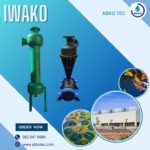 strainer filterกันยายน 20, 2026Hydrocyclone sand separator in Water treatment plant.
 flame arrestorกันยายน 17, 2026Flame Arrester Difference Between End-of-Line and In-Line | IWAKO
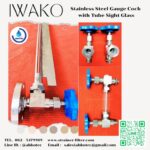 Sight Glass Level Gaugeกันยายน 14, 2026Gauge Cock with Tube Sight Glass
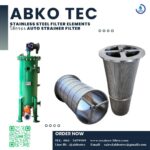 strainer filterกันยายน 11, 2026Automatic water filter used for water treatment “IWAKO”